
Butterfly Pea Flower: A Natural Wonder for Health and Wellness
In recent years, the vibrant blue hues of butterfly pea flower tea have been catching the attention of health-conscious consumers around the world. But beyond its visual appeal, this ancient botanical—scientifically known as Clitoria ternatea—is proving to be a powerhouse of health benefits, backed by a growing body of scientific research.
If you’re on a journey to improve your health, support your brain, or find natural alternatives for stress, weight loss, and inflammation, butterfly pea flower may be worth exploring.
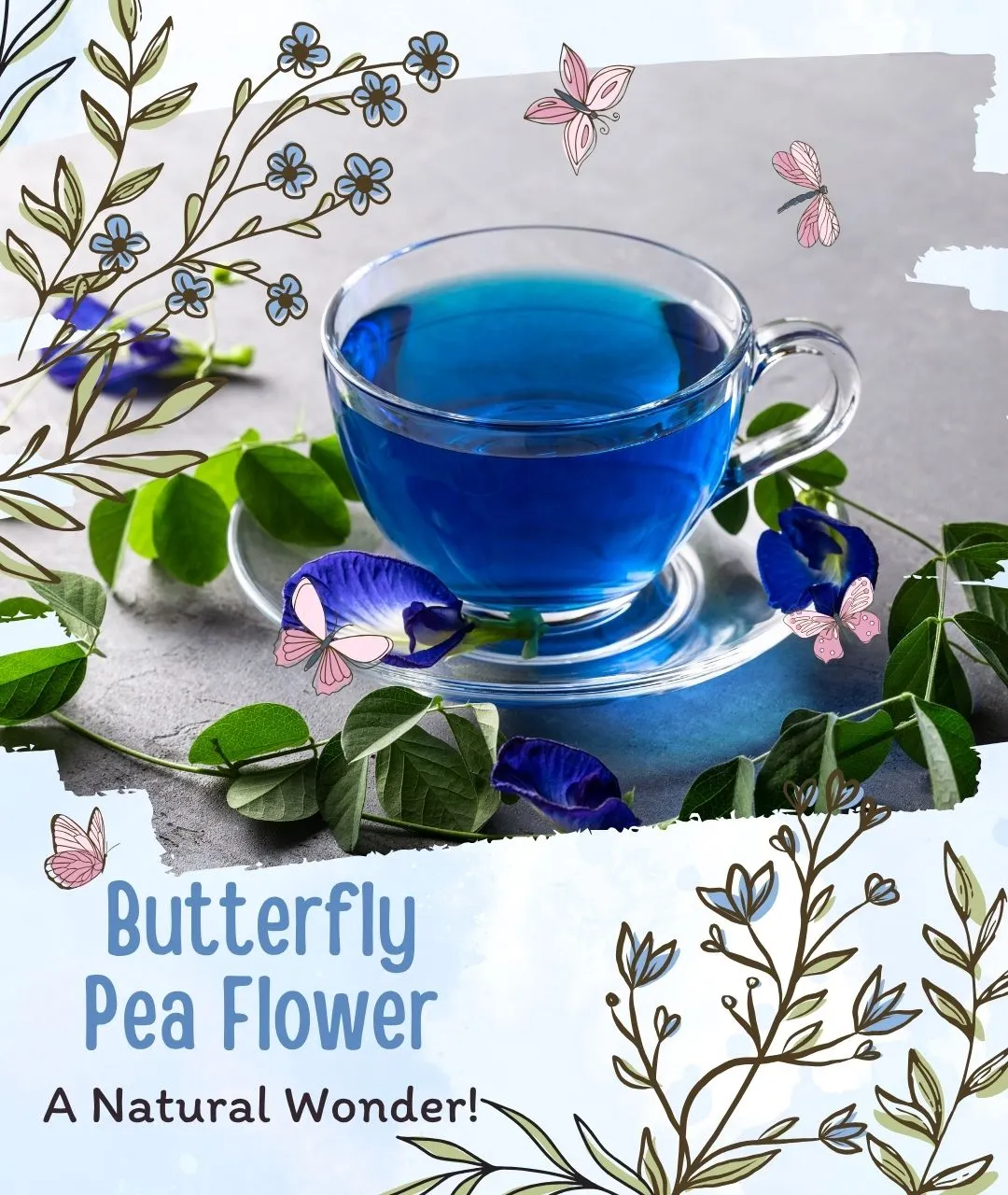
What is Butterfly Pea Flower?
Butterfly pea flower comes from a plant native to Southeast Asia, long used in Ayurvedic and traditional Thai medicine. The flowers are famous for their striking deep blue color, which comes from a high concentration of anthocyanins—natural compounds also found in blueberries and black rice.
Traditionally used to dye food and drinks naturally, the flower is now gaining popularity for its impressive nutritional and medicinal profile.
Health Benefits of Butterfly Pea Flower (Backed by Science)
1. Cognitive Support and Nootropic Properties
Butterfly pea flower has long been regarded as a brain tonic in Ayurvedic medicine. Modern studies are beginning to validate these traditional claims. The plant has shown nootropic effects in laboratory settings—meaning it may help enhance cognitive function, including memory, learning, and mental clarity.
🧠 What are Nootropics?
Nootropics are substances that improve brain function, particularly executive functions such as memory, creativity, or motivation, in healthy individuals.
In animal studies, extracts of Clitoria ternatea improved spatial memory and learning performance, attributed to its antioxidant activity and ability to modulate neurotransmitters like acetylcholine.
2. Antioxidant Powerhouse
Butterfly pea is rich in anthocyanins and flavonoids, both known for their antioxidant properties—compounds that neutralize harmful free radicals in the body. This means it may help slow aging, reduce oxidative stress, and protect against chronic diseases such as heart disease and certain cancers.
3. Anti-Inflammatory Properties
Studies suggest that butterfly pea flower has anti-inflammatory effects, which can be useful for individuals suffering from inflammation-related conditions such as arthritis, digestive disorders, or chronic fatigue.
4. Blood Sugar and Metabolic Support
Butterfly pea may help regulate blood sugar levels. A 2022 study found that consuming butterfly pea tea alongside high-glycemic foods helped reduce post-meal blood sugar spikes. This can be especially beneficial for those managing prediabetes or seeking to stabilize energy levels throughout the day.
5. Skin and Hair Health
Thanks to its antioxidant-rich profile, butterfly pea may improve skin elasticity, reduce visible signs of aging, and support hair strength. It contains compounds like proanthocyanidins, known to stimulate blood flow to the scalp and encourage hair growth.
6. Stress and Mood Balance
Traditionally used to calm the mind, butterfly pea contains natural compounds with potential anxiolytic (anti-anxiety) and mild sedative effects. It may help ease stress and promote more restful sleep, possibly by modulating GABA activity in the brain.
7. Support for Healthy Weight Management
While not a weight-loss solution on its own, butterfly pea supports metabolic health by aiding digestion, reducing inflammation, and improving blood sugar balance—all helpful factors for those looking to maintain a healthy weight naturally.
Advertisement
Synergistic Benefits with Other Herbs
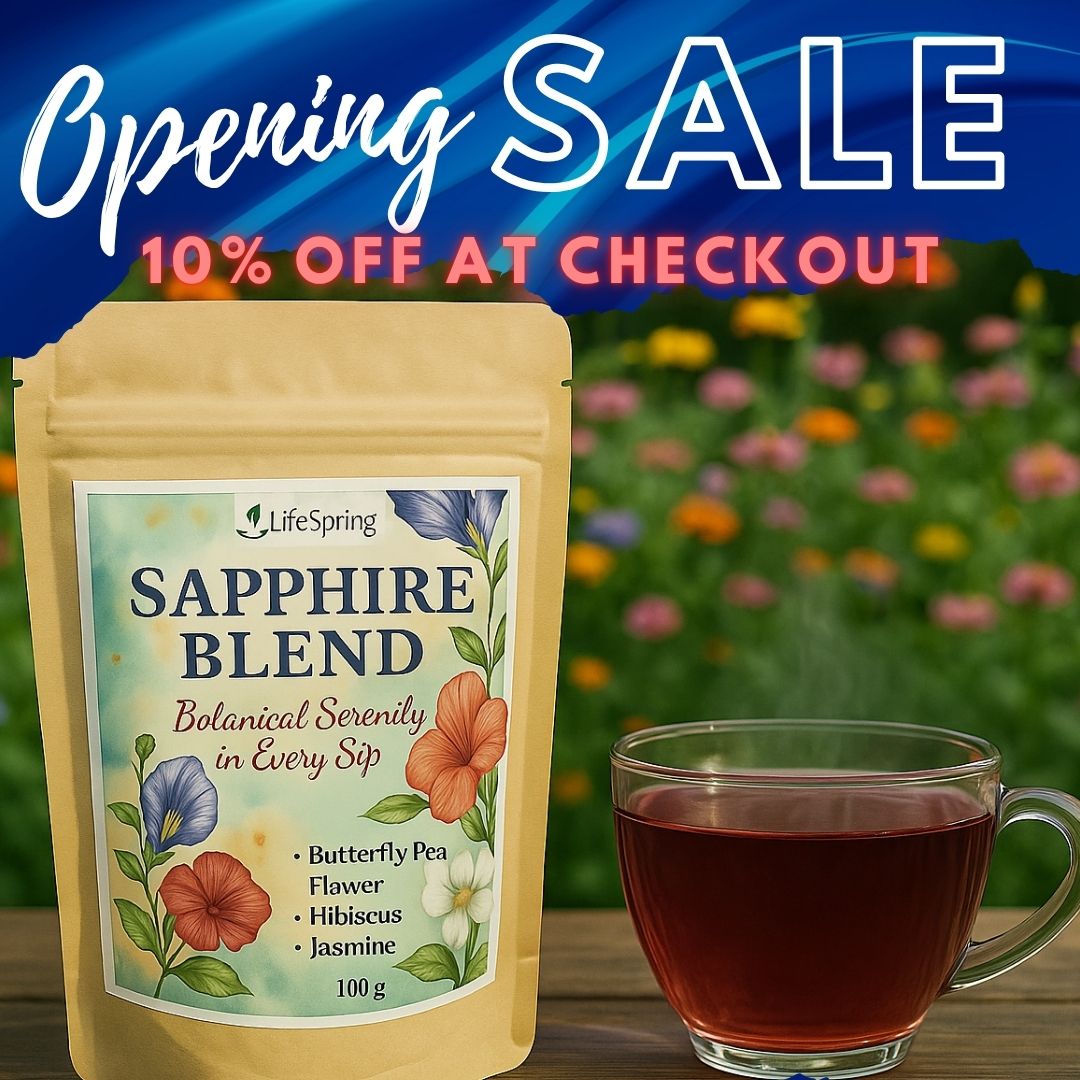
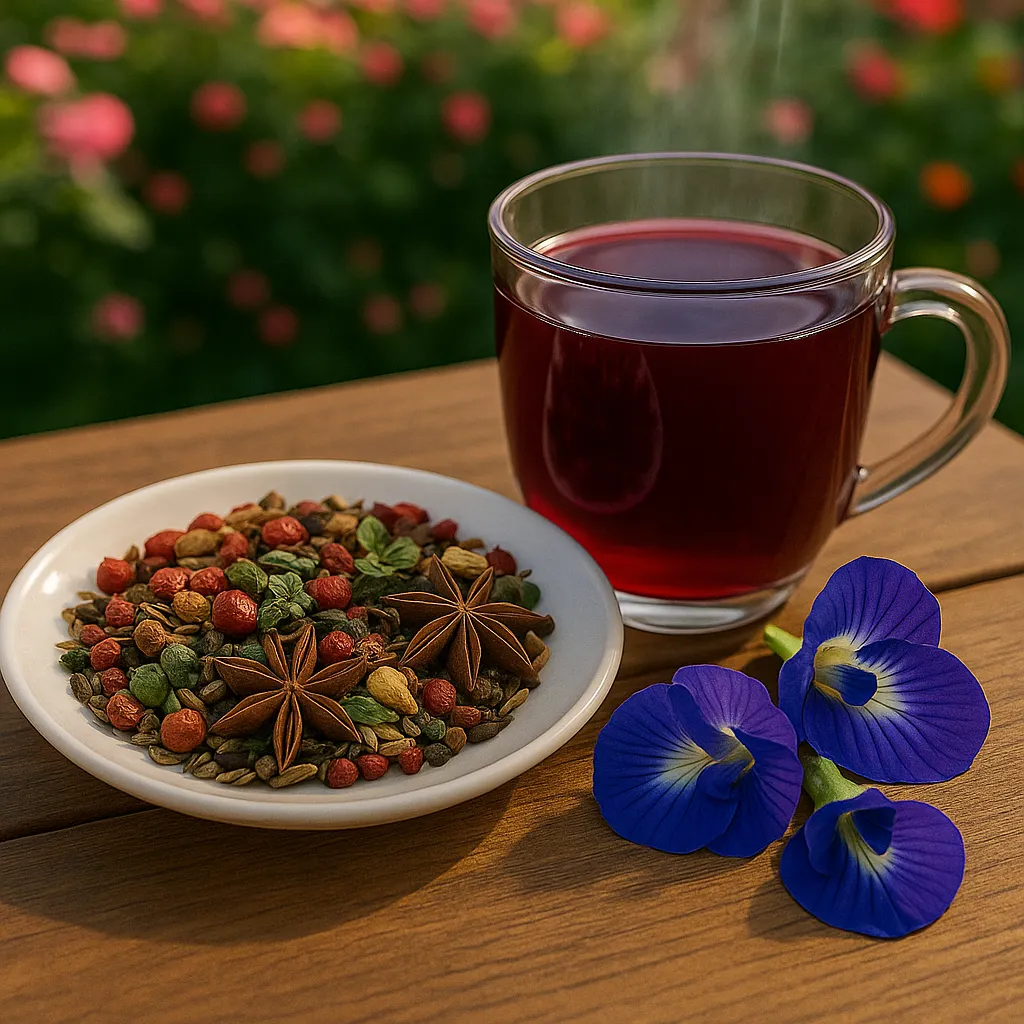
Butterfly pea’s effects can be enhanced when blended with other herbal allies. When combined with rosehip, hibiscus, licorice, nettle, fennel, and currant, this creates a well-rounded and functional herbal tea that supports numerous systems in the body.
Rosehip
Rich in vitamin C and antioxidants, rosehip supports immune function, skin health, and collagen production. When paired with butterfly pea, it amplifies antioxidant power and adds a citrusy, tart flavor.
Hibiscus
Hibiscus has been shown to reduce blood pressure, lower LDL cholesterol, and improve liver health. Its anthocyanin content synergizes with butterfly pea to further boost cardiovascular and metabolic health.
Licorice Root
Licorice adds a naturally sweet flavor and is traditionally used to soothe the digestive tract, balance cortisol levels, and support the adrenal system. In combination with butterfly pea, it may offer a calming, harmonizing effect.
Nettle
A mineral-rich plant high in iron, calcium, and magnesium, nettle supports energy, detoxification, and blood health. With butterfly pea’s nootropic and antioxidant benefits, this duo may support both mind and body vitality.
Fennel Seed
Fennel supports digestion, reduces bloating, and promotes gut balance. When added to a butterfly pea blend, it rounds out the formula with gentle digestive support.
Currant (Black or Red)
Currants are rich in polyphenols and vitamin C. They add depth of flavor while enhancing antioxidant and immune-supporting properties.
Summary of Benefits When Combined
- Butterfly Pea + Rosehip + Hibiscus for enhanced antioxidant, anti-inflammatory, and cardiovascular/metabolic support
- + Licorice + Nettle + Fennel + Currant for Digestive ease, adrenal and hormonal support, immune function, mood balance, and detox aid.
This combination makes for a functional, holistic herbal tea that can be enjoyed daily, warm or iced.
How to Prepare
- Steep 1–2 teaspoons of the dried herbal blend in hot water for 5–10 minutes.
- Optional: Add lemon to enhance flavor and witness the color change (due to butterfly pea’s natural pH sensitivity).
- Enjoy 1–2 cups daily, ideally after meals or during moments of rest and relaxation.
Important Disclaimer
I am not a doctor, and the information presented here is based on publicly available scientific research and traditional herbal knowledge. This article is meant for educational purposes only and is not a substitute for professional medical advice. Please consult with your healthcare provider before beginning any new herbal or wellness regimen—especially if you have existing conditions, are taking medications, are pregnant, or breastfeeding.
Final Thoughts
Butterfly pea flower is more than just a visually stunning herbal tea. With powerful brain-boosting, antioxidant, anti-inflammatory, and metabolic benefits—especially when paired with other functional herbs like hibiscus, rosehip, licorice, and nettle—it can become a cornerstone of your natural wellness routine.
Whether you’re seeking sharper focus, balanced energy, smoother digestion, or radiant skin, this blend brings together nature’s best in a cup. Try it for yourself and experience the calming beauty and depth of wellness that butterfly pea has to offer.
Advertisement
REFERENCES:
- Thilini Weerasinghe, Nethime De Silva, Dinithi Poogoda, Hashani Swarnathilaka; Butterfly pea: An emerging plant with applications in food and medicine; June 2022; https://www.researchgate.net/publication/361508367_Butterfly_pea_An_emerging_plant_with_applications_in_food_and_medicine
- Happy Kurnia Permatasari, Fahrul Nurkols, William Ben Gunawan, Vincentius Mario Yusuf, Muhammad Yusuf, Rio Jati Kusuna, Nindy Sabrina, Farizal Rizky Muharram, Nurpudji Astuti Taslim, Nelly Mayulu, Siti Chairiyah Batubara, Mrinal Samtiya, Hardinsyah Hardinsyah, Apollinaire Tsoprno; Modulation of gut microbiota and markers of metabolic syndrome in mice on cholesterol and fat enriched diet by butterfly pea flower kombucha; https://doi.org/10.1016/j.crfs.2022.08.005
- Donabella Fortuna Santosa; Beneficial Health Effects of Butterfly Pea (Clitoria Ternatea): A literature review; Indonesia Journal of Biomedical Science (IJBS) 2023, Volume 17; Number 1: https://ijbs-udayana.org/index.php/ijbs/article/view/486/489